2026 How to Choose High Voltage DC Charging Piles for Your Needs?

Time:2026-03-30 Author:Isabella
0%

In the rapidly evolving world of electric vehicles, choosing the right charging infrastructure is crucial. High Voltage DC Charging Piles play a vital role in this process. According to Dr. Emily Carter, a renowned expert in energy technology, "The selection of charging piles can significantly impact the efficiency and user experience of EV drivers."

When considering High Voltage DC Charging Piles, several factors come into play. Compatibility with various vehicle models is essential. Charging speed and installation costs are also key elements. Each decision holds weight and consequences for your overall operations. It can be overwhelming to navigate these choices without proper guidance.

Moreover, it's essential to consider future-proof solutions. Technology is advancing rapidly, and what works today may not suffice tomorrow. Therefore, a thoughtful approach to selecting High Voltage DC Charging Piles can save you from costly mistakes later on. Striking the right balance between immediate needs and long-term goals is crucial. Investing time in understanding these choices is necessary for a sustainable charging network.
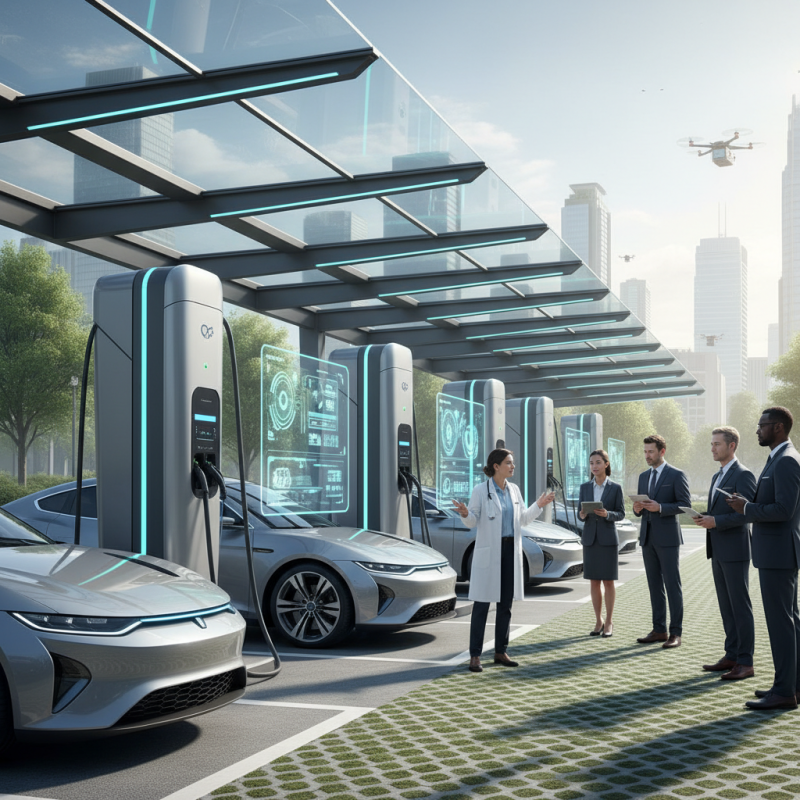
2026 How to Choose High Voltage DC Charging Piles for Your Needs?

Understanding High Voltage DC Charging Technology

High Voltage DC (HVDC) charging technology has emerged as a critical component in the evolution of electric vehicle (EV) infrastructure. This innovation supports faster charging times and greater energy efficiency. The International Energy Agency (IEA) projects that by 2026, the number of public charging points worldwide could exceed 14 million. Among these, HVDC stations will play a pivotal role. They can deliver power at up to 350 kW, significantly reducing charging time compared to traditional AC chargers.

Understanding the fundamentals of HVDC charging systems is key for making informed choices. These systems operate by converting AC power to DC power, allowing direct transmission and reducing energy losses. Data from the U.S. Department of Energy indicates that HVDC systems can reduce transmission losses by up to 40% compared to AC systems. Such efficiency is crucial as the adoption of electric vehicles surges. However, the initial investment for HVDC infrastructure can be high, presenting a challenge for many stakeholders.

Reliability is another critical aspect of HVDC technology. Regular maintenance and monitoring are essential to prevent outages. A report from the World Electric Vehicle Association shows that while HVDC technology improves charging speeds, consistent performance can vary based on the design and installation quality. Therefore, understanding your specific needs, including location, usage patterns, and scalability, is essential when choosing HVDC charging piles for the future.

2026 How to Choose High Voltage DC Charging Piles for Your Needs? - Understanding High Voltage DC Charging Technology

Feature Value Considerations
Charging Power 150 kW Suitable for fast charging of electric vehicles.
Input Voltage 600 V Ensure compatibility with grid supply.
Connector Type CCS (Combined Charging System) Widely adopted in Europe and the US.
Protection Level IP54 Suitable for outdoor installations.
User Interface Touchscreen with multi-language support Improves user experience and accessibility.
Communication Protocols OCPP 1.6 or higher Ensures compatibility with various network systems.
Installation Requirements Requires suitable electrical infrastructure Consult with an electrician for site assessment.
Maintenance Annual check-ups recommended To ensure reliability and longevity.

Key Factors to Consider When Choosing Charging Piles

When selecting high voltage DC charging piles, several critical factors come into play. The charging speed is paramount. Fast chargers can deliver up to 150 kW, significantly reducing the time needed to replenish electric vehicle batteries. According to industry research, vehicles equipped for high voltage charging can achieve an 80% charge in about 30 minutes. This rapid charging capability is increasingly demanded as electric vehicle adoption grows.

Another crucial aspect is compatibility with various vehicle models. As of 2023, over 60% of electric vehicles in the market support high voltage DC charging. Therefore, ensuring that the charging pile is versatile can maximize usability across different brands and vehicle types. Additionally, consider the installation environment. Charging stations located in urban areas must withstand various climate conditions and user volumes.

Maintenance and reliability play significant roles too. Frequent downtimes can lead to user dissatisfaction. A report from a leading energy research firm indicated that reliable charging infrastructure increases user trust in electric vehicles. Finally, monitoring software can enhance the user experience by providing real-time data about charging status and peak usage times. These considerations are essential for anyone looking to invest in high voltage DC charging solutions.

Evaluating Compatibility with Electric Vehicle Models

When considering high voltage DC charging piles, evaluating compatibility with your electric vehicle (EV) model is crucial. Different EVs have varying charging protocols. Some might require specific plug types or communication standards. Understanding these needs can help you select the right charging station. A mismatch can lead to inefficiencies or, worse, increased wear on your vehicle's battery.

Many EV models support rapid charging through high voltage DC systems. However, some older vehicles may not benefit from such technology. Research your EV's specifications. Check the manufacturer's guidelines regarding charging capabilities. This can prevent frustration during charging sessions, especially in public spaces.

Accessibility is also a factor. Ensure the charging station fits with your lifestyle. Consider its location and availability. Not all charging piles are equally networked. Additionally, examine potential future upgrades or model changes you might encounter. Adapting quickly may require flexibility in your charging infrastructure. Carefully assessing these details can enhance your EV ownership experience.

Assessing Installation Requirements and Site Considerations

When choosing high voltage DC charging piles, assessing installation requirements is crucial. Start by evaluating the site location. Consider space availability, accessibility, and surface conditions. If the area is too cramped, it will limit future expansions. Also, an uneven terrain can complicate installation.

Power supply capability is another factor to analyze. Ensure the existing electrical infrastructure can support the new charging piles. Engaging with an electrical engineer can help clarify this. You may discover gaps in your current system, requiring upgrades. The proximity to main power sources can reduce installation costs. However, some sites may face challenges, like distance or existing construction.

Don't overlook regulatory requirements. Local laws might impose restrictions on installations, influencing your choices. Researching these regulations ensures compliance. It may lead to design changes or additional permits that consume time. A thorough site assessment can uncover potential challenges early. This proactive approach is vital for a successful installation process, yet many overlook this step.

Cost Analysis: Budgeting for High Voltage DC Charging Solutions

When considering high voltage DC charging solutions, cost analysis is crucial. Your budget will determine the type of charging pile you can install. These charging stations can be expensive, but they offer faster charging times and increased efficiency. A well-prepared budget helps avoid unexpected costs. Consider installation expenses, maintenance, and operational costs.

In addition to initial costs, think about the long-term benefits. High voltage charging piles often have a higher upfront price, but they may reduce energy costs over time. Compare different models and their energy efficiency ratings. Take into account local electricity rates as they can vary greatly. Understand that some models require more expensive components.

Investing in training for staff is essential. Proper training minimizes operational issues and enhances user experience. Training costs are often overlooked but can have a significant impact on overall performance. Each aspect of budgeting should be thoroughly evaluated. Ignoring any part of this process may lead to complications later. Balancing cost and quality is an ongoing challenge that requires careful thought.

FAQS

: What is High Voltage DC (HVDC) charging technology?

: HVDC charging technology allows faster charging and better energy efficiency for electric vehicles.

How does HVDC technology benefit electric vehicle (EV) infrastructure?

HVDC stations can deliver power at up to 350 kW, drastically cutting charging times compared to traditional systems.

What are the primary components of an HVDC charging system?

HVDC systems convert AC power to DC power, enabling direct transmission and minimizing energy losses during charging.

Are there any drawbacks to implementing HVDC technology?

The initial investment for HVDC infrastructure can be high, which may pose challenges for stakeholders.

Why is regular maintenance important for HVDC charging stations?

Regular maintenance prevents outages and ensures consistent performance, which varies with installation quality.

What should be included in the budget for HVDC solutions?

Consider installation, maintenance, operational costs, and ongoing training expenses for staff.

Can high voltage charging piles save costs in the long run?

Yes, despite higher upfront costs, they can lower energy expenses over time.

How should one evaluate different HVDC models?

Compare models based on their energy efficiency ratings and consider local electricity rates.

What is the role of staff training in using HVDC charging solutions?

Proper training helps minimize operational issues and enhances the overall user experience.

What is a common oversight in budgeting for HVDC systems?

Ignoring training costs can lead to significant operational challenges later on.

Conclusion

When selecting High Voltage DC Charging Piles for electric vehicle charging, it's essential to understand the underlying technology and its implications for efficiency and speed. Key factors to consider include the compatibility of charging piles with various electric vehicle models, which ensures that the system meets the needs of all users. Additionally, assessing installation requirements and site considerations is crucial for effective implementation.

Cost analysis plays a significant role in budgeting for High Voltage DC Charging solutions, as it helps in evaluating the return on investment and overall feasibility. By carefully considering these aspects, users can make informed decisions that align with their specific needs and contribute to the seamless integration of charging infrastructure in their areas.

Isabella

Isabella

Isabella is a dedicated marketing professional with a sharp focus on driving brand growth and engagement through strategic content creation. With an extensive background in digital marketing, she combines her passion for storytelling with her keen understanding of industry trends to deliver......