In 2026, choosing a DC EV charger manufacturer is about more than comparing power ratings and purchase prices. A charger may look impressive in a product sheet, yet still disappoint if it overheats, fails to communicate reliably with vehicles, or takes weeks to repair. Small details matter: cable reach, screen readability in bright sunlight, and the clarity of fault messages can shape daily use. Real tests matter.
How to select a reliable DC EV charger manufacturer starts with evidence. Look for documented performance testing, clear technical specifications, and support for relevant charging protocols. Ask how the manufacturer manages thermal limits during repeated charging sessions, and whether its equipment has been tested with vehicles and payment systems like those planned for your site. A single successful demonstration is not enough.
Also examine what happens after installation. Request realistic warranty terms, spare-parts availability, remote diagnostics information, and a named service contact. Ask for references from operators with similar climates, traffic levels, and grid conditions. Their experience may reveal practical issues that a sales presentation misses. No supplier is perfect. Even strong manufacturers can have product limitations, and published response times may not reflect every region. Compare answers in writing, and check whether the supplier explains problems plainly rather than promising that nothing will go wrong. This guide outlines the questions and checks that help buyers make a careful, informed decision.
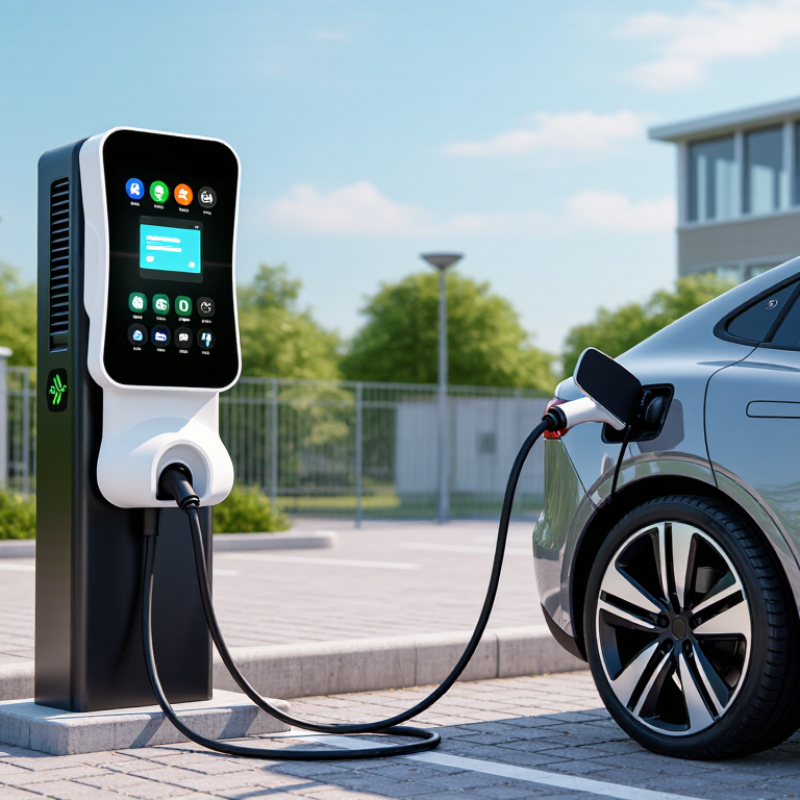
Before comparing manufacturers, map what the site must do. A highway stop serving brief visits needs different output than a depot charging vehicles overnight. Record vehicle battery voltage range, connector type, peak charging power, and expected simultaneous sessions. Be specific. A 180-kilowatt cabinet may sound sufficient, but shared power can reduce each dispenser’s output when several vehicles arrive.
Check site limits before drafting a specification. Ask an electrician to verify transformer capacity, available feeder current, cable routes, ventilation, and service access. Note ambient temperatures, dust, rain exposure, and proximity to traffic. These details affect enclosure selection and thermal performance. Leave headroom. Plan for future expansion, but avoid paying for capacity the utility connection cannot deliver. Some figures will be estimates; mark them clearly.
Set operating targets too: daily energy demand, hours of use, acceptable downtime, network requirements, and who handles faults. Request test records, warranty scope, spare-parts availability, and realistic service response times. Ask how power is shared across dispensers and what happens during a communications outage. Real sites rarely match a clean spreadsheet. Revisit assumptions after a site walk; that step is easy to underestimate.
Start with documents, not a polished sales deck. Ask for the manufacturer’s legal business details, factory address, and quality-management records. Check that certificates are current and issued to the actual manufacturing site. An ISO 9001 certificate describes a quality system; it does not, by itself, certify a charger’s safety.
Review product evidence for the exact charger model and configuration you plan to buy. Depending on the destination market, relevant references may include IEC 61851 requirements for conductive charging and IEC 62196 requirements for connectors. Ask for complete test reports, certificate scope, and the name of the testing body. Confirm details directly with the issuing organization when possible. Small mismatches matter: a report for a different power rating may not cover your unit.
Look for practical proof, too. Request factory test procedures covering insulation, protective functions, temperature rise, and emergency shutdown. Ask how serial numbers link each unit to its test record. Then speak with an operator who has used the equipment through hot days, rain, and repeated charging sessions. Paperwork can be convincing. Field performance is harder to judge, and even a careful review cannot remove every risk. That uncertainty deserves an honest conversation.
A reliable DC EV charger should deliver its rated output consistently, not only under ideal laboratory conditions. Ask how the unit performs during sustained charging, high ambient temperatures, and changing vehicle demand. Request test data for output stability, conversion efficiency, and power sharing across multiple connectors. Numbers matter. Check whether these results come from repeatable tests, with clear test conditions and dates.
Design affects daily use as much as peak power. Look for a readable screen in direct sunlight, connectors that are easy to handle, and cables that reach common parking positions without dragging across walkways. Ask how the enclosure manages heat and moisture, and whether technicians can access replaceable components without dismantling the whole unit. Small details count. A cable that feels awkward in a showroom may become tiring during a busy shift.
Quality control should be specific and traceable. Ask whether each charger receives electrical safety checks, communication tests, and a charging-session run before shipment. Request sample inspection records and details on how production faults are logged and corrected. A polished presentation is reassuring, but it is not proof. I would also ask what happens when a test fails; manufacturers may not have perfect records, yet candid answers and documented corrective actions reveal how seriously they treat reliability.
A dependable DC charger is more than a cabinet and a cable. Its software should show clear session data, fault codes, energy use, and charger status. Ask the manufacturer to demonstrate these functions using a realistic charging scenario. Can an operator identify a failed connector without calling an engineer? Check how updates are tested and scheduled, too. Unplanned changes can disrupt a busy site. A polished dashboard is not proof of reliable software.
Grid integration deserves a site-specific review. Ask how the charger handles limited power, load sharing, and communication with energy management systems. Request a sample wiring diagram and commissioning checklist, then compare them with your site's electrical design. Watch a live demonstration of power allocation across multiple chargers. It makes abstract claims easier to verify. Still, simulations cannot reproduce every local condition.
Tips: Request references from sites with similar usage and grid capacity. Confirm support hours, response targets, spare-part access, and escalation steps in writing. Ask who can diagnose faults remotely and what information they need. Keep a sample service report. It reveals whether technical findings are understandable. No checklist catches everything; revise your questions after each site visit.
A DC charger’s purchase price tells only part of the story. Compare total cost across its expected service life, not just the initial quotation. Include installation, grid upgrades, cooling parts, software fees, and scheduled inspections. A lower-priced unit can cost more if replacement parts take weeks to arrive. Small delays matter.
Read the warranty line by line. Check whether it covers power modules, cables, screens, and labor, and note any usage limits or exclusions. Ask how quickly technical support responds and whether service visits are included. A five-year warranty sounds reassuring, but its value depends on what it actually covers. Get the terms in writing.
Reliability should be supported by operating data, not broad promises. Request the manufacturer’s uptime definition, fault records, and expected maintenance intervals for comparable sites. Ask how technicians diagnose a failed module and how parts are stocked near your region. No unit runs perfectly. Compare the evidence, and consider the site conditions too: heavy dust, heat, and frequent vehicle turnover can affect maintenance needs. Estimates may still miss something; even a careful cost model deserves a second look.
Compare total cost, warranty coverage, and long-term reliability.
Illustrative planning scenario, not market quotes: each profile assumes the same charger capacity and operating conditions. Ten-year cost equals purchase and installation plus ten years of estimated maintenance. Before choosing a supplier, compare written warranty scope, exclusions, parts availability, and service response commitments; verify long-term reliability using operating and uptime records.
Record vehicle voltage, connector type, peak power, and expected simultaneous sessions. A 180-kilowatt cabinet may share power across dispensers. Leave room.
The electrician can check transformer capacity, feeder current, cable routes, ventilation, and service access. Heat, dust, and rain matter too.
Compare charger capacity with the utility connection and expected demand. Mark estimates clearly. Revisit them after a site walk.
Ask to see session data, fault codes, energy use, and live charger status. Can staff identify a failed connector themselves? Not always.
Request a wiring diagram and commissioning checklist. Watch a demonstration of power sharing across multiple chargers, then compare it with the site design.
Check support hours, response targets, spare-part access, remote diagnosis, and escalation steps. Keep a sample service report. It should be clear.
Include purchase, installation, grid upgrades, cooling parts, software fees, and inspections. Replacement parts may take weeks. Small delays matter.
Check coverage for power modules, cables, screens, and labor. Note exclusions and usage limits. A five-year term alone proves little.
Request uptime definitions, fault records, and maintenance intervals from comparable sites. Ask how failed modules are diagnosed and where parts are stocked. Estimates can still miss something.
Choosing a dependable DC EV charger manufacturer in 2026 begins with a clear understanding of your charging requirements, site conditions, budget, and project timeline. How to select a reliable DC EV charger manufacturer depends on matching those needs with a supplier that can demonstrate relevant experience, transparent credentials, and appropriate safety certifications. Look beyond headline power ratings: examine charging performance, equipment design, durability, and the consistency of the manufacturer’s quality-control processes.
Also consider the complete ownership experience. Assess software capabilities, compatibility with your grid and existing systems, and the availability of responsive technical support throughout installation and operation. Compare the total cost of ownership rather than the initial purchase price alone, taking into account warranty coverage, maintenance needs, component quality, and expected service life. A careful evaluation across these areas can help you choose a manufacturer whose equipment and support are suited to your project over the long term.

Vernon Charger