When planning a DC charging station layout, effective design is essential for maximizing efficiency and user experience. Renowned industry expert, Dr. Emily Chen, emphasizes, “A well-thought-out layout can significantly enhance charging speed and accessibility.” Understanding how to plan a DC charging station layout involves considering various factors like location, power supply, and user flow.
Designing a charging station is not just about placing chargers. It requires a holistic approach. Consider the number of vehicles and peak usage times. Effective spacing and clear signage can lead to smoother operations. Miscalculations in layout can cause congestion and frustration.
Innovative solutions are often necessary. It’s vital to analyze existing infrastructures, such as nearby amenities. Collaboration with local authorities can enhance reliability and authority. Continuous improvement and feedback loops are crucial for adapting to changing needs. Reflecting on initial layouts can reveal areas for adjustment.
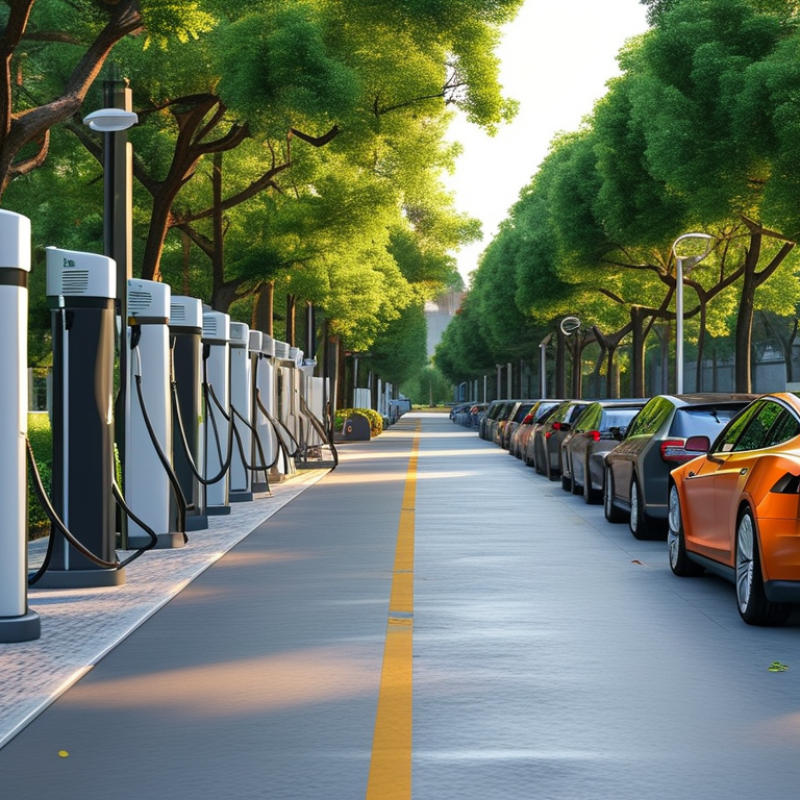
When planning a DC charging station layout, understanding its importance is crucial for success. A well-organized layout enhances user experience and ensures efficient energy distribution. Investing time in planning can significantly influence the station's functionality and accessibility.
Consider vehicle maneuverability when designing your layout. Design enough space for cars to enter and exit smoothly. Install signage to guide drivers effectively. Ensure that the charging stations are easily reachable and visible. A layout lacking clarity can frustrate users and reduce station usage.
Incorporating adequate power supply infrastructure is vital. Evaluate the number of chargers needed to meet demand. Balance the number of fast chargers with space available. A crowded layout may lead to long waiting times. Reflect on whether your layout accommodates future growth. It’s essential to stay adaptable as technology and user needs evolve.
When planning a DC charging station layout, the location is crucial. Assessing the area involves various factors that impact usability and efficiency. Firstly, access to power supply is vital. The station should be near substations or existing infrastructure to minimize costs. Proximity to high traffic areas enhances usage rates. However, you may find that ideal locations are often crowded or complex.
Consider the site's accessibility for various vehicle types. Are there clear paths for electric cars to enter and exit? Evaluate nearby amenities. If charging stations are close to shopping centers or restaurants, users will likely spend more time charging. This increases station utilization. User experience should never be overlooked, as a well-placed station can significantly boost customer satisfaction.
Employing signage and clear markings can guide drivers effectively. It heightens safety and convenience. Another key tip involves analyzing local regulations. Zoning laws may affect placement. Adapting to these requirements early on can save time and money. Failing to do so might lead to costly modifications later. Each project will have unique challenges to address. Balancing these elements requires patience and thoughtful planning.
Designing an optimal flow for vehicle charging and traffic management at DC charging stations is crucial. It affects user experience and efficiency. According to a report by the International Energy Agency, there will be an estimated 145 million electric vehicles (EVs) on the road by 2030. Proper planning can accommodate this growth.
Consider vehicle access lanes. They should be wide enough for easy entry and exit, while also minimizing congestion. A study indicated that charging station utilization increases by 25% when designed for smooth traffic flow. Integrating clear signage helps guide drivers effectively, reducing wait times.
Tip: Allocate parking spots by charging speed. This allows faster chargers to be accessed first. Also, customize charging station layouts based on location. High-traffic areas may need larger spaces, while rural stations can opt for compact designs. Remember to think about pedestrian pathways, as efficient foot traffic management is vital. Well-organized spaces enhance safety and user satisfaction but can be challenging to implement properly. Evaluating customer feedback is essential for continuous improvement.
When planning a DC charging station layout, safety measures must be a primary focus. According to the National Fire Protection Association, over 1,000 vehicle fires occur annually due to electrical faults. It's crucial to consider proper installation techniques and adhere to local safety codes. This means incorporating fire-resistant materials into the charging station design. The spacing between chargers should also allow for safe access and egress, as tight configurations can cause hazardous situations.
Adequate signage is essential. Clear instructions can prevent confusion and ensure user safety. Visible warnings about electric shock and other hazards are a must. Data from the Electric Power Research Institute suggests that well-marked charging areas can reduce accidents by up to 30%. Additionally, installing surveillance cameras can enhance security, deterring potential vandalism. Regular safety audits should also be part of the maintenance routine, ensuring the equipment remains functional and safe.
Lighting is another critical factor. Well-lit areas increase visibility, reducing accidents during nighttime usage. The Illuminating Engineering Society recommends a minimum of 100 lux in charging zones. Yet, not all stations adhere to this standard, compromising user safety. Frequent evaluations can help identify areas needing improvement, pushing the industry toward a safer future for all electric vehicle users.
When planning a layout for DC charging stations, efficiency is crucial. Technology plays a vital role in streamlining operations. Integrating advanced monitoring systems can help track usage in real-time, ensuring optimal performance. Installing user-friendly interfaces can enhance the experience for electric vehicle users. Clear signage and intuitive layouts reduce confusion and improve traffic flow.
Data analytics can provide insights into peak usage times. Understanding these patterns allows for better staffing and resource allocation. However, some charging stations may struggle with outdated technology. This can lead to long wait times and frustrated users. Regularly updating your tech is essential for maintaining user satisfaction.
Accessibility should also be a primary focus. Stations must be easy to find and navigate. Poorly designed locations can deter users, making convenience paramount. Considerations like lighting and shelter can significantly affect user experience. Reflecting on these aspects can lead to continuous improvement and better service delivery in the long run.
: Optimal flow improves user experience and efficiency, especially as the number of electric vehicles increases.
Wider access lanes reduce congestion and increase utilization by 25%, making entry and exit easier.
Clear pathways and organized layouts promote safety and improve user satisfaction, but require careful consideration.
Electrical faults can cause over 1,000 vehicle fires annually, making safety a top priority in planning.
Clear, visible signage prevents confusion and reduces accidents, potentially decreasing them by up to 30%.
Adequate lighting enhances visibility, particularly at night, reducing accidents but is often not adequately implemented.
Advanced monitoring systems and user-friendly interfaces streamline operations and enhance user experience.
Analyzing usage patterns helps with staffing and resource allocation, preventing long wait times and frustration.
Easy navigation, good lighting, and adequate shelter can significantly enhance user experience.
Regular evaluations and updates of design, technology, and safety measures are essential for better service delivery.
Planning a DC charging station layout is crucial for maximizing efficiency and ensuring a seamless user experience. To effectively plan a DC charging station layout, it's essential to understand the importance of location. Key factors such as accessibility, traffic flow, and proximity to amenities can greatly influence the station's success. Strategically designing the flow for vehicle charging and incorporating safe traffic management practices not only enhances operational efficiency but also promotes safety for both users and pedestrians.
In addition to location and traffic considerations, implementing advanced technology can streamline operations and improve the overall user experience. Features like real-time monitoring and user-friendly interfaces can attract more customers and facilitate efficient charging. Furthermore, integrating safety measures within the design will help mitigate potential hazards, ensuring that users feel secure while charging their vehicles. Overall, knowing how to plan a DC charging station layout involves a comprehensive approach that addresses location, design, safety, and technology.

Vernon Charger