As electric vehicles become more common, the demand for efficient charging systems grows. Understanding "how to future-proof DC EV charging systems" is essential. According to Dr. Emily Carter, a leading expert in renewable energy technology, “The key lies in investing in adaptability.” Her insight reflects the urgent need for strategies that address evolving technology and infrastructure.
Future-proofing DC EV charging systems requires a multifaceted approach. With the rapid advancement of battery technology, charging solutions must be ready for various vehicles. Experts emphasize the importance of modular designs. These designs can be easily upgraded as new models and technologies emerge. Moreover, staying ahead of regulations and incentives is crucial.
Addressing potential challenges is vital. No system is perfect, and delays in infrastructure development can hinder progress. Continuous evaluation and adaptation to market dynamics can help mitigate risks. Investing in robust and versatile systems today can ensure resilience for tomorrow’s needs. The road ahead is complex, but with the right strategies, it is also promising.
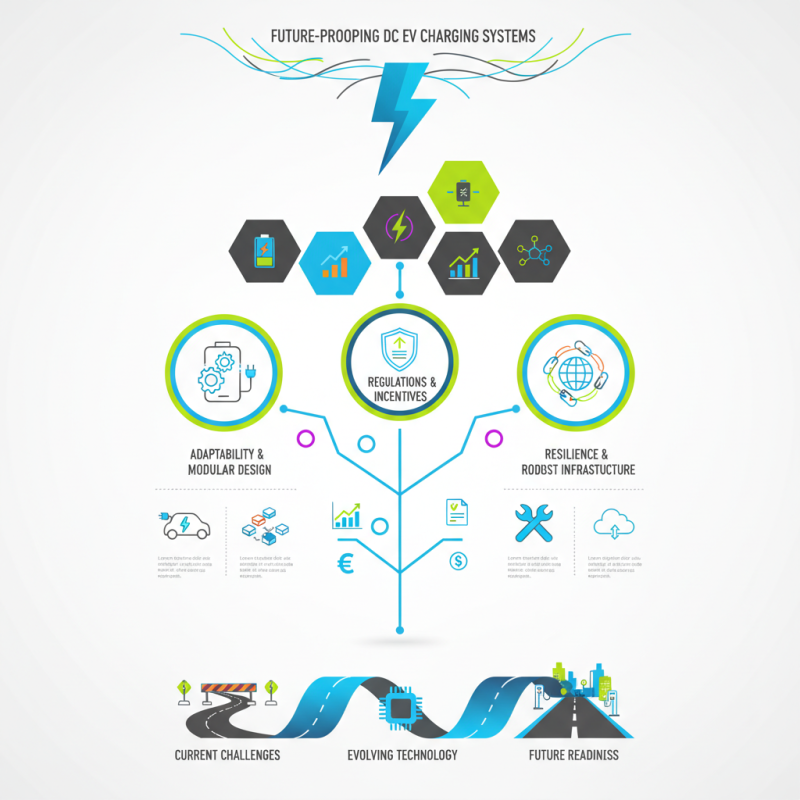
Designing scalable DC EV charging infrastructure requires careful planning. It involves balancing current demands and future growth. A forward-thinking approach ensures these systems keep pace with advancements and increased usage. Many may overlook the importance of adaptable designs. Designs that lack flexibility can quickly become outdated.
One key tip is to invest in modular systems. These provide ease in expansion. If more chargers are needed, simply add modules without overhauling the entire setup. Another consideration is location. Placing charging stations in high-traffic areas maximizes utilization. Despite initial costs, these choices pay off in the long run.
Incorporating user-friendly interfaces is crucial. These can aid in guiding users through the charging process. Many systems still fall short here. The complexity can deter potential users. Regularly seeking feedback helps to refine the design further. Not all feedback may seem useful, but it can reveal patterns worth addressing. It’s essential to stay open to adjustments throughout the process.
Integrating renewable energy sources into DC EV charging stations presents both opportunities and challenges. The global renewable energy capacity reached 2,799 GW in 2020, according to the International Renewable Energy Agency. This growth indicates a significant shift towards cleaner energy. However, the integration process is often complex. Grid stability must be maintained while accommodating fluctuating renewable energy outputs. Effective energy storage solutions are critical to address this issue.
Utilizing solar panels at charging stations is becoming popular. A recent study revealed that solar-integrated charging stations can reduce energy costs by up to 40%. Yet, the upfront installation costs can deter adoption. Proper planning and financial incentives will be essential to make such systems mainstream. The potential for incorporating wind energy could further enhance the sustainability of charging systems, despite the unpredictability of wind patterns.
Another concern is the need for standardization in charging systems. Lack of common standards can lead to inefficiencies. While some stations have successfully integrated multiple energy sources, not all technologies communicate effectively. This fragmentation may create user confusion and limit the overall benefits of renewable energy integration. Thus, stakeholders should prioritize interoperability to unlock the full potential of future-proof charging systems.
The integration of smart grid technologies is essential for enhancing DC EV charging systems. These technologies help optimize energy distribution. They ensure that charging stations use resources efficiently. Smart grids can adjust the flow of electricity based on real-time demand. This responsiveness leads to reduced costs and improved overall performance.
Another key feature is data analytics. By collecting and analyzing usage patterns, we can identify peak times for charging. This insight allows for better planning and management of energy loads. It can also prevent grid overload during busy hours. However, relying solely on data without human oversight can lead to issues. Technologies can falter or misinterpret the data. This requires constant monitoring and potential adjustments.
Moreover, integrating renewable energy sources with smart grids is crucial. Solar and wind resources can be more effectively utilized. However, intermittency remains a challenge. Balancing supply and demand in real time can be complex. More research and testing are needed to address these limitations. A reliance on technology should not overshadow the importance of human judgment.
| Strategy | Description | Benefit | Implementation Difficulty |
|---|---|---|---|
| Integrating Renewable Energy | Utilize solar and wind energy sources to power charging stations. | Reduces carbon footprint and operational costs. | Medium |
| Smart Grid Technologies | Implement smart grid systems for real-time monitoring and control. | Enhances efficiency and reliability of power distribution. | High |
| Dynamic Pricing Models | Introduce variable pricing based on demand and supply. | Encourages off-peak usage and maximizes revenue. | Medium |
| Vehicle-to-Grid (V2G) Technology | Enable EVs to supply energy back to the grid. | Balancing grid load and providing ancillary services. | High |
| Enhanced Data Analytics | Leverage data analytics for better decision-making. | Optimizes operations and improves user experience. | Medium |
| Interoperability Standards | Adopt common standards for charger compatibility. | Fosters collaboration and expands customer base. | Low |
| User-Centric Interfaces | Develop intuitive interfaces for ease of use. | Enhances customer satisfaction and engagement. | Low |
| Robust Cybersecurity Measures | Implement strong security protocols to protect systems. | Safeguards against cyber threats and data breaches. | High |
| Community Engagement Initiatives | Educate and involve community in EV adoption. | Builds trust and encourages local support. | Medium |
| Scalability Planning | Design systems with scalability for growing demand. | Future-proofs infrastructure investment. | Medium |
The rapid rise of electric vehicles (EVs) demands enhanced safety and compliance strategies for DC EV charging systems. A recent industry report estimates that the global EV market will grow by 30% annually until 2030. As this growth accelerates, charging systems must prioritize user safety and regulatory adherence. Ensuring these elements can help minimize risks, such as electrical shocks or fire hazards.
One critical strategy involves regularly updating equipment to meet evolving standards. Compliance with standards like IEC 61851 is essential. However, many systems still lag behind. Regular audits and assessments are needed to identify gaps. In fact, studies show that up to 40% of public charging stations fail to meet basic safety requirements. This lapse urges stakeholders to invest in continuous training for technicians. Knowledge about emerging technologies and safety practices can prevent accidents.
User education also plays a crucial role in safety. Clear signage and user-friendly interfaces can make a difference. Interestingly, more than 50% of EV users feel uncertain when using public charging stations. Addressing this gap can enhance user confidence and reduce error rates. Establishing a feedback loop between users and operators could identify potential issues quickly. Challenges persist, and addressing them will be vital for the future of DC EV charging systems.
Dynamic pricing can significantly enhance user experience in DC EV charging systems. By adjusting rates based on demand, users are encouraged to charge during off-peak hours. This not only saves money but also reduces grid stress. Consider implementing flexible pricing strategies. They can adapt in real-time based on usage patterns.
Accessibility is crucial for all users. Ensure charging stations are easily located and user-friendly. This includes clear signage and intuitive interfaces. It’s essential for providers to think about diverse user needs. A well-lit, safe environment can lead to a positive charging experience. Offering charging sessions at various locations expands accessibility.
Tips for improvement: Regularly assess user feedback. Are the pricing models making sense to users? Is the charging experience seamless? Providing clearer information about costs can alleviate confusion. Also, evaluate station placement frequently. Users should never have to travel far for charging. Thoughtful planning can make a considerable difference.
: Safety minimizes risks like electrical shocks and fire hazards. Proper measures ensure user protection.
Equipment should be regularly updated to meet evolving safety standards. This keeps systems compliant and safe.
Studies show nearly 40% of public charging stations do not meet basic safety standards. This is concerning.
Clear signage and user-friendly interfaces help users feel more confident. Education reduces errors during charging.
Dynamic pricing adjusts rates based on demand. It encourages charging during off-peak hours, saving money.
Ensure stations are well-located, well-lit, and user-friendly. Address diverse user needs for a better experience.
Feedback helps identify issues and improve the charging experience. Regular assessments can guide necessary changes.
Evaluate user understanding of pricing. Adjust models if many find them confusing or unhelpful.
Charging station placements should be assessed frequently. Users should not have to travel far for convenient access.
Yes, a safe and well-lit environment can enhance user satisfaction. It contributes to a positive charging experience.
The article "10 Best Strategies to Future-Proof DC EV Charging Systems" outlines essential practices for designing a scalable and efficient charging infrastructure in the rapidly evolving electric vehicle market. It emphasizes the importance of integrating renewable energy sources into DC charging stations, which not only supports sustainability but also aligns with future energy trends. Additionally, implementing smart grid technologies enhances the efficiency of the charging systems by optimizing energy distribution and usage.
Safety and compliance are critical considerations in developing EV charging systems, ensuring that they meet regulatory standards while providing a secure environment for users. Finally, the article highlights the significance of maximizing user experience through dynamic pricing models and accessibility features. By adopting these strategies, stakeholders can effectively address "how to future-proof DC EV charging systems," ensuring they remain relevant and beneficial for urban mobility in the years to come.

Vernon Charger