When considering how to choose the best portable DC EV charger, the options can feel overwhelming. With numerous brands and models available, it’s essential to focus on specific features. A good charger should be fast, reliable, and compatible with various electric vehicles. Think about your typical driving habits and charging needs.
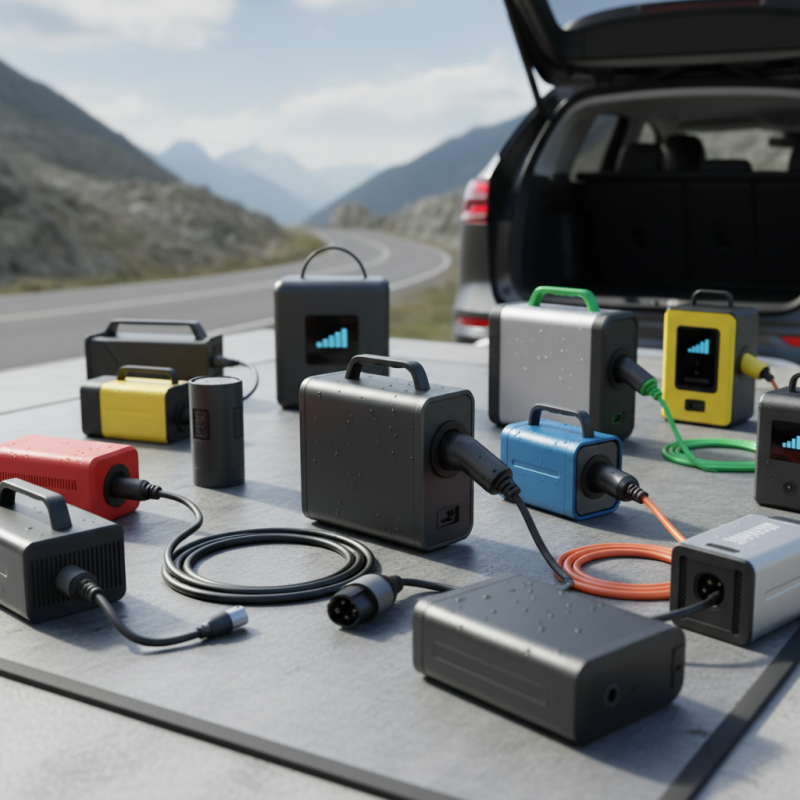
Portability is crucial, especially for on-the-go users. Look for lightweight designs that are easy to store and transport. Additionally, check for durability and weather resistance. Many chargers face harsh conditions during travel, so quality matters.
While researching, it’s easy to overlook important details. What about the cord length or charging speed? Don't rush into a purchase. Take your time to reflect on your ideal requirements. A good decision often requires thorough consideration and a bit of self-awareness.
Understanding the Basics of Portable DC EV Chargers
Portable DC EV chargers are essential for electric vehicle owners. They offer convenience and flexibility for charging on the go. According to recent industry reports, the global market for portable EV chargers is expected to grow by over 25% annually. This surge is driven by increasing EV adoption and the need for accessible charging solutions.
Understanding how portable DC chargers work is vital. These chargers convert direct current (DC) from a battery into power for your vehicle, often allowing for faster charging. Many models can provide up to 300 kW, meaning they can charge most EVs within 30 minutes. Moreover, their compact design enables easy transport, fitting in car trunks or storage spaces.
Choosing the right portable DC charger can be challenging. The variety of models and features can overwhelm potential buyers. Some chargers may lack necessary certifications, posing safety risks. Others might not provide the promised charging speeds. Consumers should pay attention to compatibility with their vehicle models, as charging capabilities can differ significantly. Data from recent studies suggest that failing to consider these factors can lead to less efficient charging and higher overall costs.
Key Features to Look for in a Portable DC EV Charger
When choosing a portable DC EV charger, consider its charging speed. Fast chargers are essential for quick top-ups. They can significantly reduce downtime on long trips. Look for chargers that offer high wattage output. This feature directly affects how quickly your vehicle charges. A charger with 100 kW output can recharge compatible vehicles in a matter of minutes.
Check the charger’s compatibility with your electric vehicle. Some chargers may not work with all EV models. It's essential to ensure your charger aligns with your vehicle's requirements. Also, examine the weight and portability of the charger. Heavier models may be cumbersome. A balance between power and portability is critical for practicality.
Safety features are paramount. Look for a charger that includes overcurrent protection and thermal management. These ensure that your charger operates safely in various conditions. Many users overlook these features, thinking all chargers are safe. It's vital to prioritize safety for peace of mind. Lastly, research user reviews to identify real-world performance. You can uncover common issues that manufacturers might not disclose.
Assessing Charging Speed and Compatibility with Your EV Model
When choosing a portable DC EV charger, assessing charging speed and compatibility is crucial. Different EV models support various charging speeds. Compatibility issues can lead to frustration. It’s essential to know your vehicle's requirements before making a purchase.
Look for a charger that meets or exceeds your EV's charging capabilities. Checking specifications can seem tedious, but it’s worth the time. Compatibility, however, isn’t just about speed. Different connectors are used across models. Confirm the connector type your vehicle needs to avoid mismatched chargers.
Sometimes, less popular chargers may not be as widely compatible, which can limit your charging options. Keep an eye out for user reviews. They often highlight real-world charging speeds and compatibility issues. If possible, try to test the charger with your vehicle before buying. It’s a simple step that can save you from future headaches.
Top 5 Tips for Choosing the Best Portable DC EV Charger
| Tip |
Description |
Charging Speed (kW) |
Compatible EV Models |
| Assess Charging Speed |
Choose a charger with high kW output for faster charging times. |
30-150 |
Most EVs |
| Check Compatibility |
Ensure the charger fits your specific EV model’s connector type. |
N/A |
Tesla, Nissan, Renault |
| Look for Portability |
Choose a lightweight and compact design for easy transport. |
N/A |
All EVs |
| Evaluate Safety Features |
Prioritize chargers with built-in safety protections like surge protection. |
N/A |
Most EVs |
| Consider Cable Length |
Ensure the cable is long enough to reach charging stations easily. |
N/A |
All EVs |
Evaluating Safety Standards and Certifications for Chargers
When choosing a portable DC EV charger, safety should be a priority. Not all chargers meet the same safety standards. Look for chargers that have undergone rigorous testing. Certifications from reputable organizations can be a good indicator of safety. According to industry reports, over 30% of portable chargers do not meet basic safety requirements.
Tip: Always check for certifications like UL or CE on the product. These ensure the charger has passed safety tests. Knowing the safety standards can prevent accidents. Additionally, some chargers come with built-in protections against overloading and short circuits. This added layer of safety is crucial for home and travel use.
Evaluate user reviews regarding safety. Many consumers highlight issues with overheating or malfunctioning chargers. These problems frequently stem from products lacking proper certification. A charger that has been tested ensures safer operation, reflecting more reliability. Remember, it is not just about charging speed; safety is equally important.
Tip: Look for chargers with advanced safety features, such as temperature monitoring. This feature can automatically shut off the charger if it gets too hot. Prioritize safety to enjoy peace of mind while charging your EV.
Budgeting: Finding the Best Value for Your Portable Charger
When looking for a portable DC EV charger, budgeting is crucial. The price range can vary significantly. Basic models may cost around $300, while advanced chargers can exceed $1,000. A study by the International Energy Agency (IEA) suggests that many consumers overlook the total cost of ownership. This includes installation, maintenance, and electricity costs.
Finding the best value requires careful consideration. Look for chargers that offer essential features without extra costs. Many options feature fast charging capabilities at an additional price, so evaluate if you truly need that speed. The IEA reports that up to 40% of potential EV buyers hesitate due to charging infrastructure concerns. This uncertainty often leads to overspending on unnecessary features.
Keep DIY solutions in mind. Some users have reported successful experiences with home installations, saving money. Research shows that a tailored solution may cost up to 25% less than prepackaged options. Many consumers stress the importance of affordability but often settle for high-priced models. Reflecting on your actual needs can help you avoid financial strain while investing in a portable charger that suits your lifestyle.
Conclusion
When considering how to choose the best portable DC EV charger, it’s important to understand the fundamentals of these devices. Portable DC chargers offer flexibility and convenience for electric vehicle owners, but knowing what to look for is crucial. Key features include compact design, charging speed, and compatibility with various EV models. It’s also vital to assess the safety standards and certifications that the charger meets to ensure reliable operation.
Additionally, budgeting plays a significant role in decision-making. Finding a portable charger that offers the best value requires comparing prices while taking into account the quality and features that suit your needs. By considering these factors, you can make an informed choice that enhances your EV charging experience.

 Vernon Charger