A DC fast-charging session may last only twenty minutes, but its billing trail can cross several systems. The charger records energy delivered. The network identifies the driver, applies a tariff, and routes payment. If roaming is involved, another provider may handle the account. Small mismatches can create real friction: a receipt shows one price, while a fleet dashboard shows another.
How billing systems work for DC charging networks depends on how these pieces connect. Some platforms combine charger management, payment processing, and customer accounts. Others rely on separate tools linked through software interfaces and roaming agreements. For drivers, the difference appears in practical moments: tapping a bank card, checking a session total, or asking support to explain an idle fee. For operators, it affects reconciliation, refunds, uptime, and revenue reporting.
“[A verified quotation from a named DC charging billing expert should be inserted here.]” A reliable introduction should not attribute invented words to an industry professional. This guide compares seven billing systems by examining payment options, tariff controls, roaming support, reporting, and integration with chargers. It also considers where each approach can fall short. A polished dashboard is not enough. Operators need accurate session records and clear receipts, too. Real networks are messy, and billing errors still happen. That deserves attention, not hand-waving.
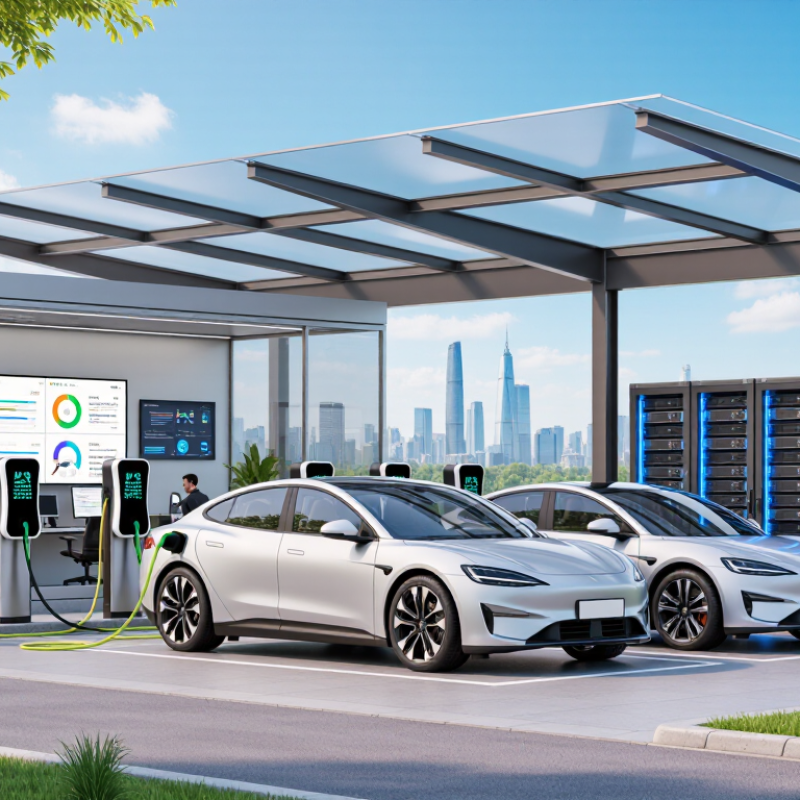
A DC charging billing system turns a charging session into a clear, itemized transaction. When a driver connects a vehicle, the system confirms access through an app, charging card, or payment terminal. It then records the energy delivered, session times, and applicable fees. A driver might see kilowatt-hours, a per-minute charge, or an idle fee after charging ends. Small details matter. A short network delay can make a receipt appear later than expected, so reliable systems preserve session records and explain adjustments.
Behind the screen, software links the charger’s meter readings with payment processing and the operator’s billing rules. It checks that the session starts and stops correctly, calculates the amount due, and sends a receipt. Operators can review records to investigate a mismatch, such as a displayed total that differs from a bank charge. Clear timestamps and readable fee breakdowns help. Accuracy still depends on sound meter data and stable communication; no system is perfect during an outage. Billing teams should test unusual cases, not only smooth sessions, and make disputed charges easy to review.
A DC charging bill begins before electricity flows. The driver or vehicle starts a session, and the charger checks whether the account or payment method can be used. Once approved, the charger records a start time and an initial energy reading. Small details matter. If communication drops, the station may store records locally until it reconnects.
During charging, the meter tracks energy in kilowatt-hours, while the system attaches timestamps and station details. When the session ends, the charger sends its final reading, stop time, and status to the billing platform. The platform calculates the amount using the applicable tariff, which may include energy, time, or session-based fees. It then checks for missing readings, duplicate messages, or unusual gaps. Not magic.
After validation, the system captures payment or routes the cost to a fleet account, then creates a receipt. Drivers should see the session time, energy delivered, price components, and any adjustment. Yet a delayed meter update can make a correct bill look wrong for a while. Clear status messages help, though they cannot repair every data gap. Systems are imperfect.
This illustrative session delivers 42 kWh at $0.45 per kWh, adds a 32-minute time fee and a session fee, then applies 8% tax to the $23.10 pre-tax subtotal. The resulting bill is $24.95. Actual rates, fees, and taxes vary by charging location and tariff.
Accurate DC charging bills begin with accurate session data. A billing system should record meter readings, start and stop times, energy delivered, and any idle period separately. These details help operators explain why a 20-minute stop cost more than expected. Small errors matter. A rounded energy value, delayed clock, or duplicated session can distort both customer receipts and monthly revenue reports.
Tariff tools shape flexibility. They should support time-based prices, per-kilowatt-hour charges, connection fees, idle fees, discounts, and clear tax handling. Operators also need versioned tariff records, so they can trace which price applied to a past session. NREL’s 2023 National Charging Network study estimated that the United States may need about 182,000 public DC fast-charging ports by 2030. As networks expand, consistent rules across sites become harder to manage manually. Still, flexibility has limits: too many exceptions can make a bill difficult to audit.
Payment and network features matter, too. Look for roaming settlement, multiple payment methods, automatic receipts, refund workflows, and reliable processing after temporary network outages. The IEA reported that public charging points worldwide grew by around 40% in 2023, reaching more than four million. That growth puts pressure on systems to reconcile transactions across operators and locations. A useful test is simple: can staff match one disputed receipt to its meter record, tariff version, and payment event? If not, the dashboard may look polished while the billing trail remains incomplete.
DC charging billing systems differ in how they measure energy, time, access, and payment. A useful comparison covers seven common approaches: per-kilowatt-hour billing, time-based billing, a flat session fee, tiered rates, subscriptions, roaming-based payment, and fleet accounts. Per-kilowatt-hour pricing ties the charge to energy delivered, while time-based pricing can discourage vehicles from occupying a connector after charging slows. Flat fees are simple, but may feel unfair when sessions vary greatly.
Tiered rates can reflect peak demand or charging speed, though the price rules need clear display before a session begins. Subscriptions may suit frequent drivers, but occasional users should check recurring fees. Roaming systems let drivers pay across participating networks; compatibility and payment details can still vary. Fleet accounts group sessions into reports, which helps managers track vehicles and costs. None is automatically best. Charger power, idle fees, local tariffs, and payment access all affect the real cost. A screen that shows only the starting rate can leave drivers uncertain.
Tips: Compare the final receipt, not just the advertised rate. Check whether parking, idle time, or a session fee is added. Keep one recent receipt for reference; tariff screens can change, and I have found that easy to overlook.
Choosing a DC charging billing system starts with the network you actually operate, not a feature checklist. Map your sites, charger models, customer types, and payment methods. A busy highway hub needs fast session authorization and clear receipts. A workplace network may need access rules and monthly account billing. Small details matter, such as whether a driver can understand a failed payment message beside a charger.
Check how the system handles tariffs, refunds, taxes, and session records. Pricing can vary by time, energy consumed, or parking duration, so test realistic cases before signing. Ask whether the platform records each pricing change and provides usable reports for reconciliation. It should also show what happens when a charger loses connectivity mid-session. Test that, too. A polished dashboard is not proof that billing works reliably.
Consider how the system connects to your chargers and other operational tools. Confirm supported communication protocols, data exports, and the process for adding sites later. Ask who responds when payments fail at night, and how quickly issues are escalated. Then run a small pilot with real charging sessions and compare the records against payment statements. No scorecard catches everything. I would be cautious about choosing the cheapest option before checking support and reporting; that trade-off is easy to regret.
A practical comparison of seven billing-system approaches for direct-current (DC) charging networks. “Best” depends on the operating model, payment requirements, roaming strategy, and level of control needed.
| System Type | How It Works | Typical Billing Methods | Best Fit | Key Advantages | Key Trade-Offs | What to Check Before Choosing |
|---|---|---|---|---|---|---|
| 1. Cloud-Based Charging Management Platform | Chargers send session, status, and meter data to a hosted platform, commonly through OCPP. The platform applies tariffs, records transactions, and produces operator reports. | Pay by energy, time, session, or a combination; card or app payments may be supported through a connected payment service. | Public networks that want centralized monitoring and billing without operating their own server infrastructure. | Remote access, centralized configuration, and easier multi-site management. A hosted service can reduce the need to maintain backend servers. | Depends on the provider’s service availability, data policies, and supported integrations. Features and fees vary by contract. | Confirm supported OCPP versions and functions, data export options, uptime commitments, tariff controls, support hours, and how billing continues during connectivity outages. |
| 2. Open-Protocol, Interoperable Platform | Uses documented interfaces to connect chargers, payment services, energy systems, and other software. OCPP can support communication between a charger and its central system; compatibility still depends on implemented features and testing. | Usually supports direct customer payments and can connect to external billing or roaming services. | Operators with mixed charger fleets or a need to change software or service providers over time. | Can provide more integration and supplier-choice flexibility than a closed, single-vendor setup. | Open protocols do not guarantee that every charger feature works with every platform. Integration and certification can require time and technical effort. | Test the exact charger models, firmware, protocol version, and required functions, including remote start, meter values, fault reporting, and tariff handling. |
| 3. Roaming-Enabled Billing System | Connects an operator’s network to mobility-service providers so drivers may use credentials from another service. OCPI is commonly used to exchange information such as locations, tariffs, and charging-session records. | Drivers may be billed by their mobility-service provider; settlement between the parties follows their commercial agreements. | Networks seeking visibility and access for drivers who do not have a direct account with the site operator. | Can broaden driver access and support cross-network use without requiring a separate account for every operator. | Roaming coverage, tariff display, settlement timing, and transaction fees depend on partner agreements and data quality. | Review partner reach, tariff accuracy, session reconciliation, dispute handling, settlement reports, and rules for direct versus roaming prices. |
| 4. Direct-Payment and Ad Hoc Billing System | Lets a driver start a session and pay without first signing up for a recurring account. Payment can be initiated at a terminal, through a web-based payment flow, or by another supported method. | Common options include contactless card payment and web-based card payment. Local payment and accessibility requirements vary by jurisdiction. | Public charging sites serving occasional users, visitors, and drivers who prefer not to join a membership program. | Reduces account-registration friction and offers a straightforward route for one-off sessions. | Payment hardware, transaction processing, and payment-failure handling add operational requirements. A payment method may not be available on every charger. | Check local regulations, payment-terminal requirements, receipt delivery, refund workflows, card-security responsibilities, and what happens when a payment authorization fails. |
| 5. Fleet and Depot Billing System | Associates charging sessions with vehicles, drivers, or fleet accounts. The system can aggregate energy use by depot, vehicle, cost center, or reporting period. | Monthly invoicing, internal cost allocation, contract rates, and scheduled account settlement are common approaches. | Commercial fleets, depots, and organizations managing charging across multiple vehicles or locations. | Supports consolidated reporting and can make it easier to compare vehicle energy use and charging costs. | Accurate allocation depends on reliable vehicle identification, session records, and consistent account data. | Check vehicle and driver identification options, invoice detail, accounting exports, access controls, and handling of sessions that cannot be matched to a fleet account. |
| 6. Plug-and-Charge-Ready Billing System | Where supported by the vehicle, charger, and service configuration, ISO 15118-based Plug & Charge can use digital credentials to identify a contract and authorize a charging session without a separate card or app action. | Sessions are generally billed to the driver’s associated charging contract, subject to the service agreement and supported roaming arrangements. | Networks aiming to offer automated authorization to compatible vehicles and charging equipment. | Can simplify the start-of-session experience and reduce reliance on manual authentication steps. | Requires compatible vehicles, chargers, software, certificates, and backend processes; support is not universal. | Verify the specific ISO 15118 features supported, certificate lifecycle management, fallback payment options, and end-to-end interoperability test results. |
| 7. Self-Hosted or Operator-Controlled Billing System | The operator runs or directly controls more of the backend environment and connects it to chargers, payment processing, and internal systems through configured interfaces. | Can support direct payments, account billing, fleet invoicing, and other models when the necessary integrations are built and maintained. | Large or technically capable operators with specific data, integration, governance, or customization requirements. | Offers greater control over configuration, data workflows, and integration priorities. | Requires ongoing responsibility for infrastructure, security, updates, monitoring, support, and integration maintenance. | Assess total operating effort, security controls, backup and recovery, payment compliance responsibilities, upgrade processes, and availability of technical support. |
Selection guide: Start with the network’s operating model and required payment options. Then validate charger compatibility, protocol support, roaming and accounting needs, service availability, data access, security responsibilities, and total operating costs. Protocol support alone does not guarantee interoperability; test the complete charger-to-payment workflow before deployment.
It turns each charging session into an itemized transaction. It records energy delivered, session times, and applicable fees. Drivers may receive a receipt showing per-kilowatt-hour or per-minute charges.
A clear bill should show meter readings, start and stop times, energy used, and any idle period. It should explain fees and taxes. Small details matter.
A network delay, duplicate session, or incorrect meter reading can create a mismatch. Staff should compare the receipt with the meter record, tariff, and payment event. The review may take time.
Useful options include time-based prices, energy charges, connection fees, idle fees, and discounts. The system should retain past tariff versions, so staff can see which price applied to each session.
The system should preserve session records and process transactions when service returns. Operators should test interrupted sessions, not just successful ones. It may not work perfectly during every outage.
They should consider site types, charger models, customer groups, and payment methods. A highway hub may need quick authorization, while a workplace may need monthly account billing.
Run a small pilot with real charging sessions. Compare meter records, receipts, and payment statements. A polished dashboard alone proves little.
Check data exports, charger connections, refund workflows, and how pricing changes are recorded. Ask who handles payment failures at night. Cheap can become costly.
This article explains how DC charging billing systems turn charging activity into clear, billable transactions. How billing systems work for DC charging networks depends on connecting session data—such as energy delivered, charging time, pricing rules, and user or account details—to a consistent calculation and payment process. The article follows a session from its start through data recording, cost calculation, and final billing, showing why accurate records matter for both network operators and drivers.
It also compares seven types of billing systems and the features that influence accuracy and flexibility, including support for different pricing structures, payment methods, reporting, and network growth. Rather than treating one approach as right for every operator, the guide outlines practical factors for choosing a system, such as the size and needs of the charging network, the desired level of automation, and the ability to adapt as services change.

Vernon Charger