As we approach 2026, understanding "How vehicle-to-grid DC charging works" becomes increasingly vital. Experts like Dr. Emily Carson, a leading researcher in energy systems, emphasize the importance of this technology. She states, “Vehicle-to-grid technology is not just a convenience; it's a key part of our sustainable future.” This underscores the role that DC charging plays in promoting renewable energy integration.
Vehicle-to-grid DC charging enables electric vehicles to interact with the power grid. This interaction allows EVs to charge during low demand and discharge back during peak times. Such a system can stabilize energy supply and reduce costs. However, the widespread implementation of this technology faces challenges. Not all electric vehicles are compatible, and the infrastructure is still developing.
While the potential benefits are significant, we must critically evaluate the logistics and technology involved. Questions remain regarding charging times, battery health, and user acceptance. This area is burgeoning, yet it requires ongoing discussion and improvements. Understanding "How vehicle-to-grid DC charging works" is just the beginning of a complex journey toward a sustainable energy future.
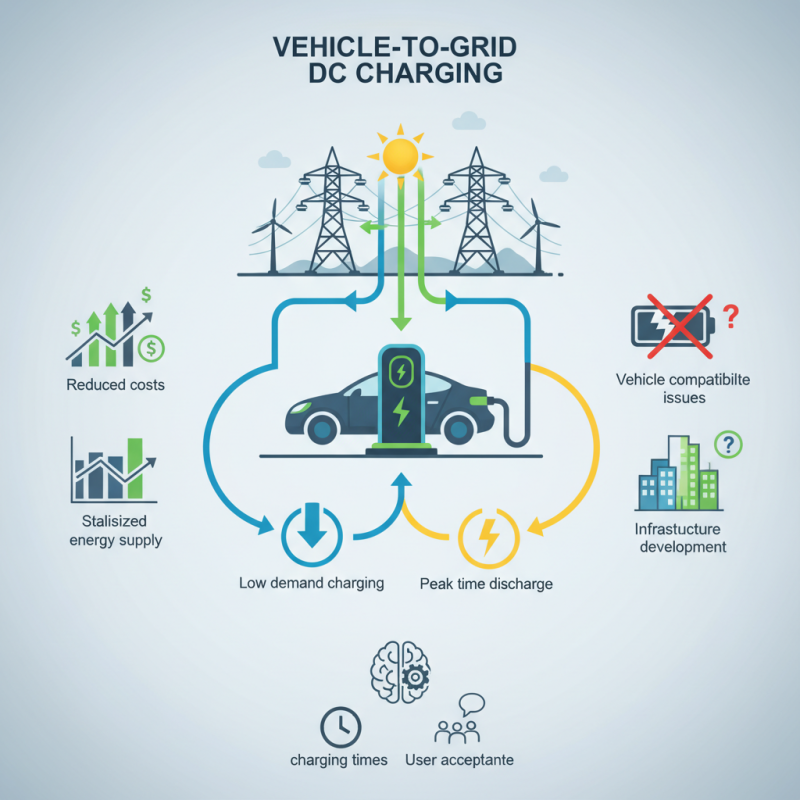
Overview of Vehicle-to-Grid (V2G) Technology and Its Benefits
Vehicle-to-Grid (V2G) technology enables electric vehicles to communicate with the power grid. This interaction allows EVs to sell excess energy back to the grid. It creates a bidirectional flow, where cars do not only consume energy but also provide it when needed. Such a system can stabilize the grid and reduce the demand for fossil-fueled power plants.
One significant benefit of V2G technology is its role in renewable energy integration. As solar and wind power generation varies, V2G can offer a buffer. EVs can store surplus energy when production is high. Later, they can discharge this energy into the grid during high demand. This balance supports the overall energy ecosystem.
Tips: Consider the timing of your charging. Charge when renewable sources outpace demand. Always monitor your vehicle's battery health, especially if using it frequently for grid services. Reflect on potential benefits versus costs. It’s crucial to weigh your options, as setup expenses can be overlooked.
Understanding DC Charging: Principles and Components
DC charging plays a crucial role in the vehicle-to-grid (V2G) system. Understanding its principles helps in recognizing its benefits. DC charging utilizes direct current to supply energy to electric vehicles, allowing for faster charging. This speed is vital, especially for commercial fleets. The components include charging stations, inverters, and communication protocols.
Charging stations convert power from the grid to DC. Inverters are essential for converting DC back to AC when sending energy back to the grid. Communication protocols ensure smooth interactions between vehicles and the grid. These elements work together, creating a bidirectional flow of energy.
However, the system is not without challenges. Integration with existing infrastructure can be complex. Additionally, varying standards may lead to interoperability issues. These need to be addressed for widespread adoption. Ensuring reliability and efficiency is paramount for user trust. Balancing energy supply and demand remains an ongoing challenge as well.
How Vehicle-to-Grid Systems Facilitate Energy Exchange
Vehicle-to-Grid (V2G) systems are revolutionizing how we think about energy exchange. These systems allow electric vehicles (EVs) to not only draw power from the grid but also supply energy back. According to a study by the International Energy Agency (IEA), by 2030, V2G could facilitate a net saving of up to $8 billion annually in energy costs in certain markets. This economic potential stems from effective energy management and reduced strain on the grid during peak demand.
Furthermore, V2G systems enhance grid stability while promoting renewable energy usage. When solar or wind production is high, EVs can store excess energy during the day. Later, during peak hours, this energy can be returned to the grid. However, challenges remain. Not all EVs are equipped for two-way charging, and there are concerns about battery lifespan with constant discharge and recharge cycles. Reports indicate that optimized usage patterns could mitigate these issues, yet further advancements are necessary to standardize technology across the industry.
Studies show that in regions with high EV adoption, V2G could provide up to 50% of the grid's balancing power. This possibility suggests a future where vehicles become integral to our energy infrastructure. The transition won't be without hurdles, especially in integrating diverse technologies. Continuous collaboration among stakeholders is key to unlocking V2G's full potential, ensuring a sustainable energy future.
Key Challenges and Solutions in V2G DC Charging Implementation
Vehicle-to-Grid (V2G)
DC charging
holds great promise for energy management. However, its implementation faces several key challenges.
One major hurdle is the lack of
standardized protocols
for communication between electric vehicles and the grid. This complicates the coordination necessary for effective energy exchange. Without common standards, manufacturers may develop incompatible systems. This can lead to frustration among users and limit widespread adoption.
Another challenge lies in the infrastructure. Many existing charging stations are not equipped to handle
bidirectional energy flow.
Upgrading this infrastructure requires substantial investment and planning. Cities and power providers must work together to address these needs. Additionally, public acceptance poses an issue. Many consumers are wary of new technology. Educating them about the benefits of
V2G
can help build trust.
Finally, regulatory frameworks are often unclear or outdated. This can slow down the progress of
V2G initiatives.
Stakeholders must advocate for updated policies that encourage innovation. While these challenges are significant, they also present opportunities for improvement and collaboration in the transition to
sustainable energy solutions.
Future Trends in Vehicle-to-Grid Technology and DC Charging Systems
Vehicle-to-grid (V2G) technology is rapidly evolving, particularly in the realm of DC charging systems. Recent reports indicate that the global V2G market could reach $16 billion by 2026, reflecting a surge in interest and investment. This technology facilitates electric vehicles (EVs) to both draw energy from and supply energy back to the grid. The interaction between charging stations and EVs creates a bidirectional power flow that enables various residential and commercial applications.
Future trends suggest that the integration of renewable energy sources will enhance V2G efficiency. A study from the International Energy Agency found that effective V2G systems can reduce peak demand by up to 30%. However, challenges remain. Many consumers are still unaware of how V2G affects their energy costs and savings. Additionally, the need for standardized communication protocols between vehicles and the charging infrastructure complicates widespread adoption. As the technology matures, addressing these issues will be paramount.
The rise of smart grid technology also influences V2G applications. With improved data analytics, energy management can become more dynamic. However, there is a gap in interoperability among different systems. Furthermore, market regulations could hinder progress. The mix of opportunity and challenge sets the stage for an exciting but uncertain future in V2G technology.
2026 Vehicle-to-Grid DC Charging Adoption Trends
FAQS
: The lack of standardized communication protocols complicates energy exchange between electric vehicles and the grid.
Many existing stations can't support bidirectional energy flow. Upgrading requires significant investment and coordination.
Educating consumers about the benefits of V2G can help build trust and alleviate their concerns over new technology.
Integration of renewable energy sources is expected to enhance V2G efficiency and reduce peak demand substantially.
Many existing policies are unclear or outdated, slowing down the progress of new initiatives in V2G technology.
Improved analytics can make energy management more dynamic, but interoperability between systems remains a significant challenge.
Reports suggest the V2G market could reach $16 billion, indicating rising interest and investments in this technology.
Stakeholders must advocate for updated policies and standards to encourage innovation and ease adoption across regions.
Many consumers are unaware of how V2G could affect their energy costs and potential savings.
Yes, challenges present opportunities for collaboration and advancements in the transition to sustainable energy solutions.
Conclusion
Vehicle-to-Grid (V2G) technology represents a transformative approach to energy management, enabling electric vehicles (EVs) to interact with the power grid. This system not only supports the efficient exchange of energy but also enhances grid stability while providing economic benefits for EV owners. Understanding how vehicle-to-grid DC charging works involves familiarizing oneself with its core components and principles, which include direct current (DC) charging mechanisms that allow for bidirectional energy flow between the vehicle and the grid.
While the potential of V2G DC charging systems is significant, there are key challenges in terms of infrastructure, regulatory frameworks, and consumer acceptance that must be addressed. By exploring viable solutions and innovations, the future of V2G technology appears promising, with trends indicating increased adoption and advancements in both DC charging systems and energy management strategies. This evolution will not only pave the way for smarter energy solutions but also enhance the role of EVs in sustainable energy ecosystems.

 Vernon Charger